Material Revolutions: Art Beyond the Canvas
An exploration of contemporary artists who challenge traditional materials and methods
About the Curator
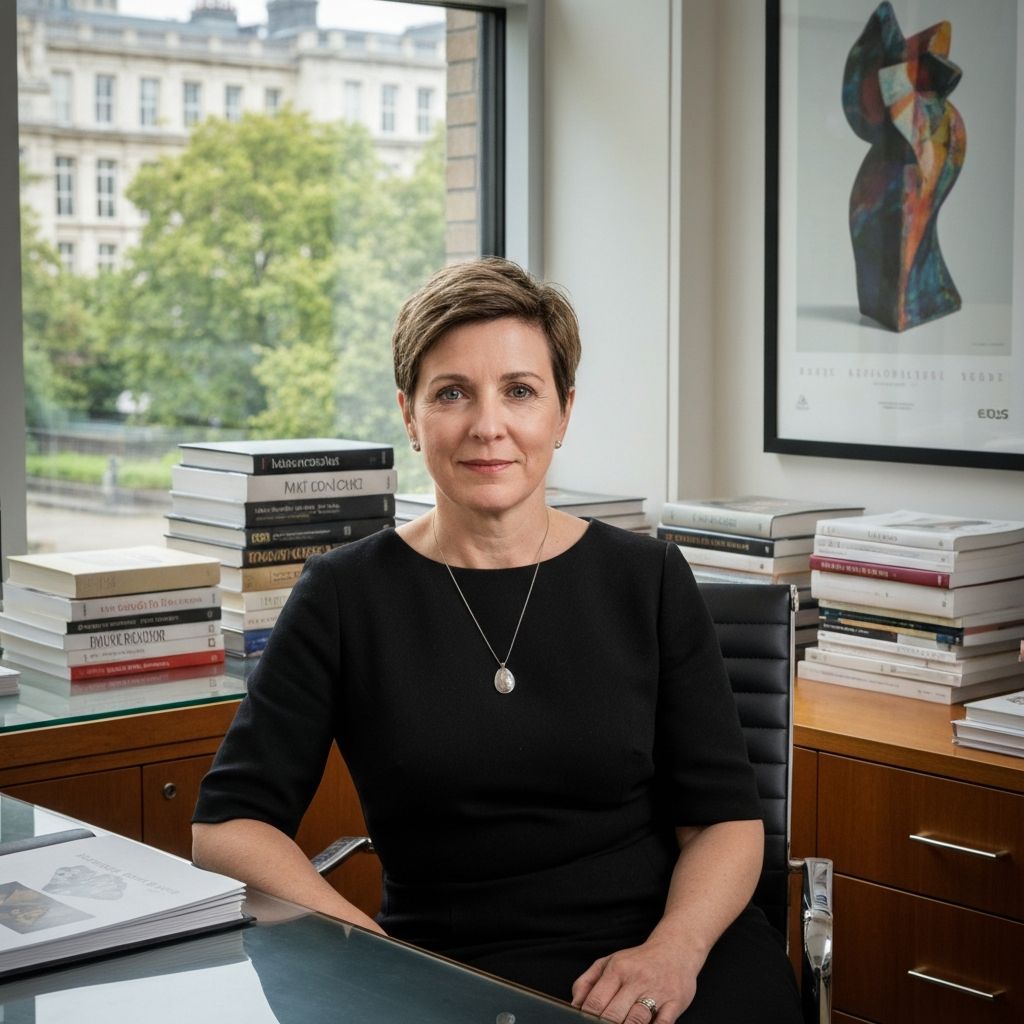
Dr. Helena Vasquez
Senior Curator, Contemporary Art
Dr. Helena Vasquez has spent over 20 years studying the intersection of materiality and meaning in contemporary art. She holds a Ph.D. in Art History from Columbia University and has curated exhibitions at the Guggenheim, MoMA PS1, and the Venice Biennale. Her research focuses on how artists use unconventional materials to challenge traditional narratives.
Curatorial Statement
This collection explores how contemporary artists are redefining the boundaries between art and everyday life. By examining works that transform humble materials into profound statements, we witness a radical democratization of artistic expression. These pieces challenge us to see beauty and meaning in the overlooked, the discarded, and the mundane—ultimately questioning what we value and why.
"The most revolutionary art doesn't just hang on walls—it changes how we see the world outside the gallery."— Dr. Helena Vasquez
Post-Minimalist Expansion
The Post-Minimalist movement emerged in the late 1960s as artists sought to transcend the rigid geometric forms of Minimalism. These works embrace process, materiality, and the human hand. By incorporating industrial materials, textile techniques, and organic forms, these artists created a bridge between the cold precision of Minimalism and the emotional depth of Abstract Expressionism. Today, their influence resonates in contemporary practices that prioritize tactile experience and material honesty.
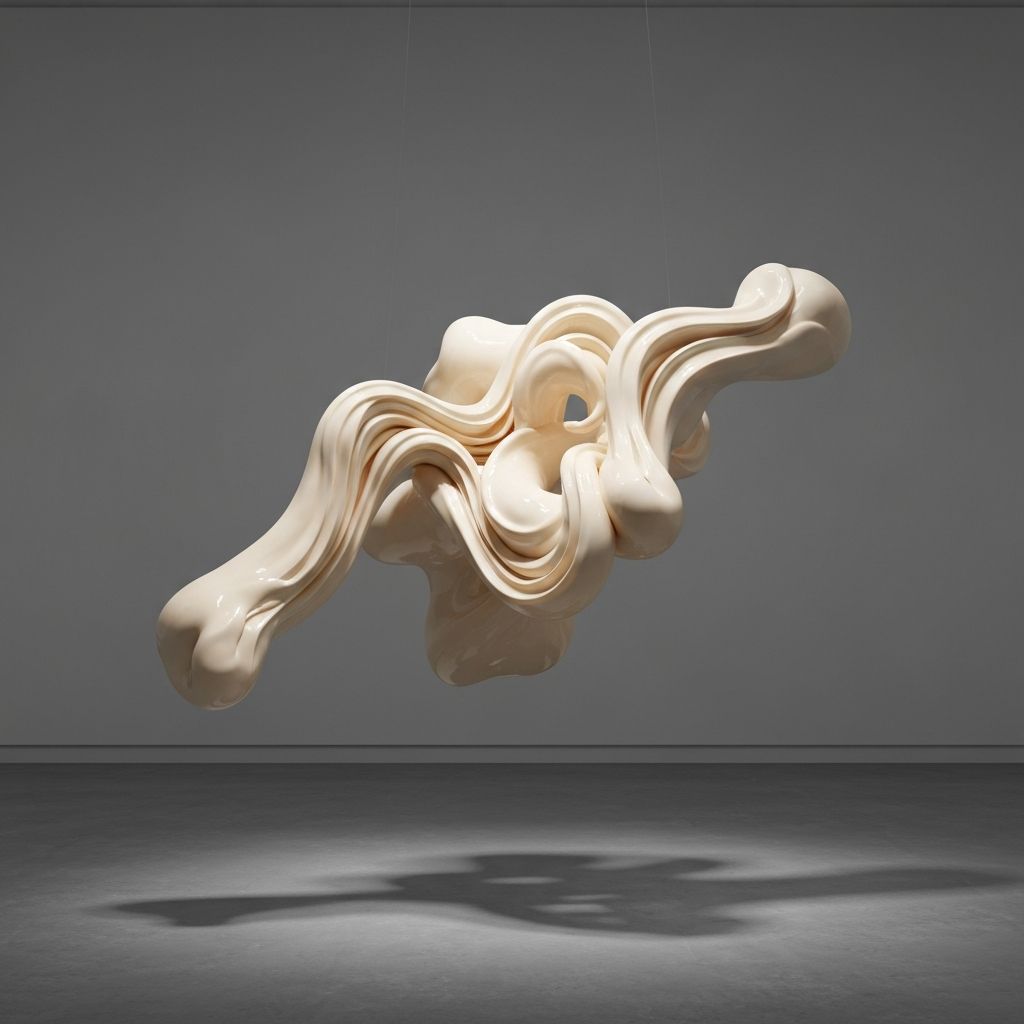
Suspended Weight
Eva Hesse, 1968
Latex, rope, and wire
Variable dimensions
Curator's Note: This work exemplifies Hesse's radical departure from geometric abstraction, embracing organic forms that seem to breathe and sag under their own weight.
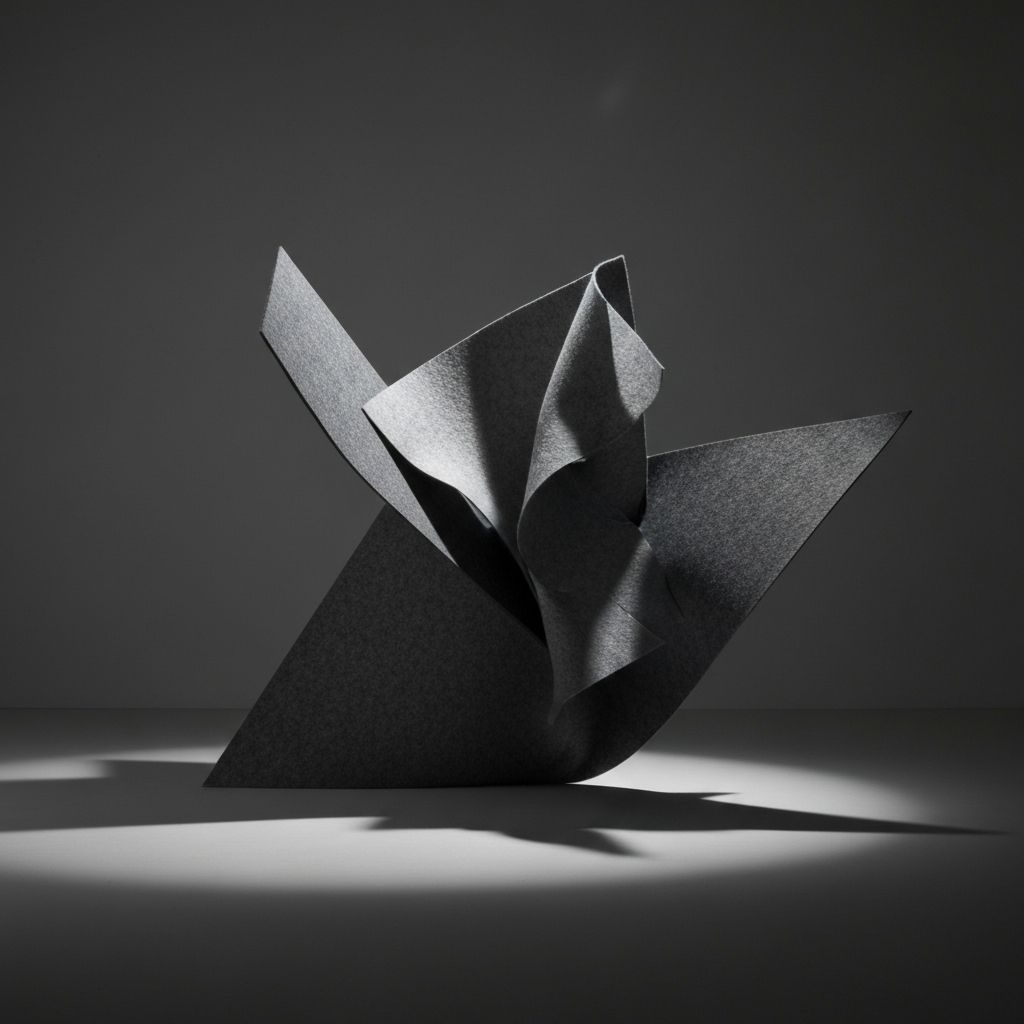
Process Field
Robert Morris, 1970
Industrial felt
120 x 180 in
Curator's Note: Morris's felt works demonstrate how gravity and material properties can become co-authors in the creative process.
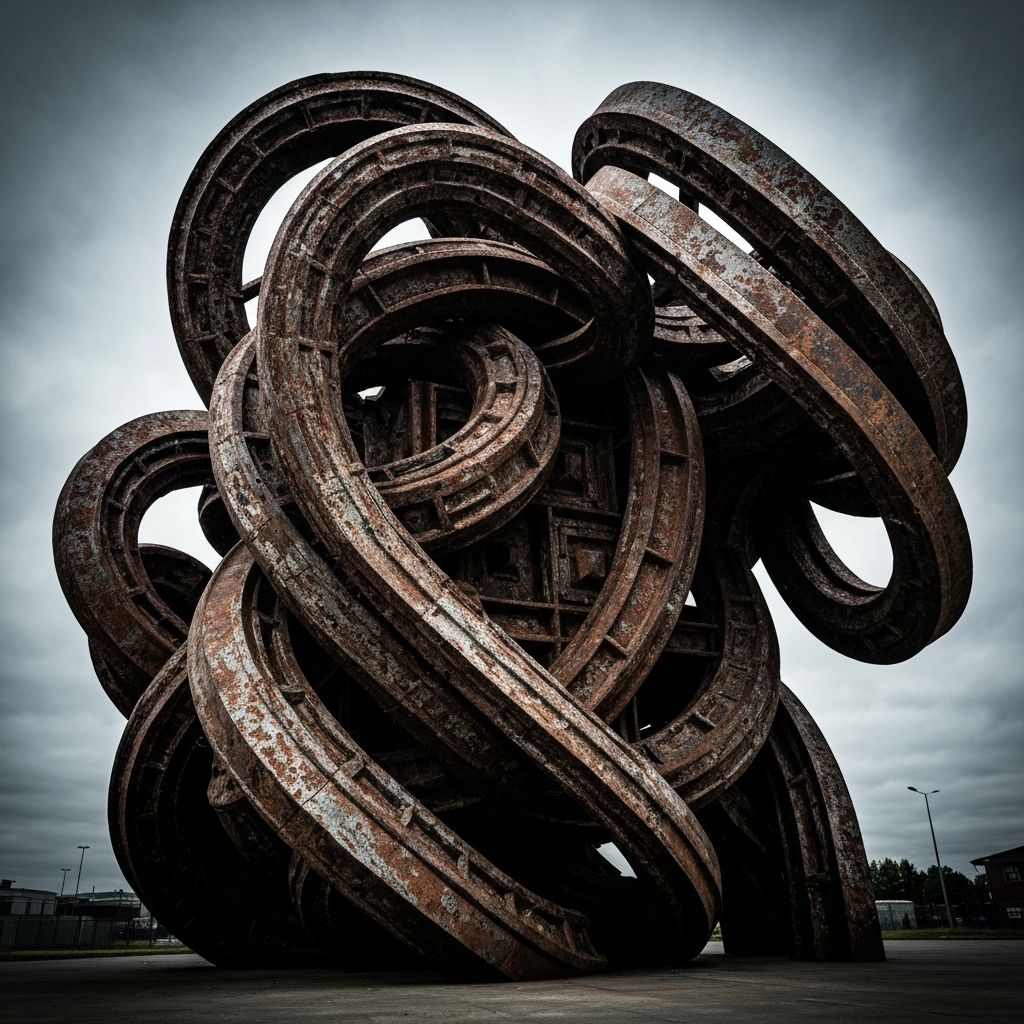
Accumulation Study
Richard Serra, 1972
Lead and steel
48 x 72 x 36 in
Curator's Note: Serra's early accumulation works laid the groundwork for his monumental later pieces, already showing his mastery of weight and presence.
Gutai: Radical Materiality and the Body
The Gutai Art Association (1954-1972) represents one of the most radical movements in postwar art history. Founded in Ashiya, Japan, by Jirō Yoshihara and a group of young artists, Gutai—meaning 'concreteness'—challenged Western artistic conventions through visceral, physical engagement with materials. These artists rejected representation in favor of direct, often violent interaction between the human body and matter: paint, mud, paper, chemicals, and tar. Their performances and paintings anticipated Performance Art, Happenings, and Action Painting in the West, yet emerged from a distinctly Japanese context informed by Zen Buddhism and postwar reconstruction. This section presents key Gutai works that demonstrate how materiality, gesture, and the body became inseparable elements of artistic expression.
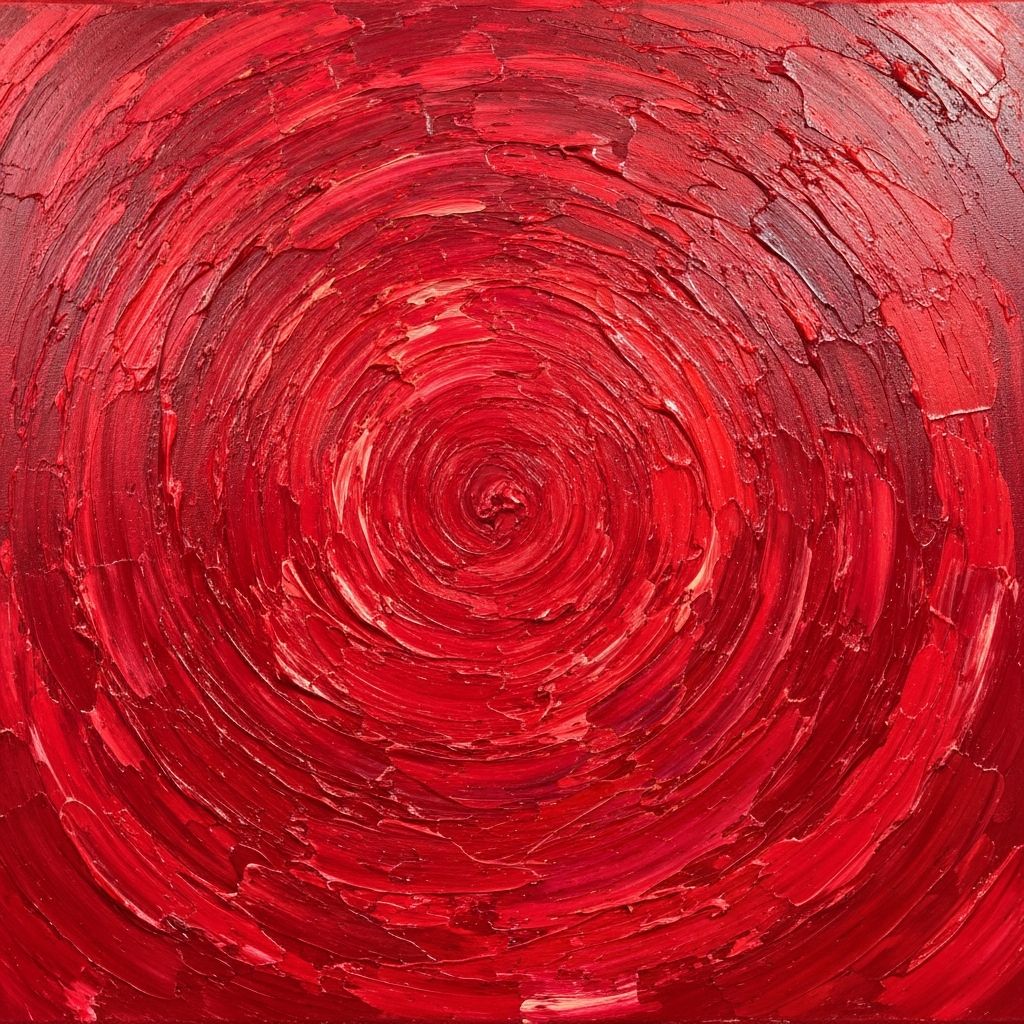
Work (Red)
Kazuo Shiraga, 1965
Oil on canvas (foot painting)
51 x 63 in (130 x 160 cm)
Curator's Note: Shiraga suspended himself from ropes above large canvases and painted with his feet, creating explosive compositions that record the physical struggle between body and material. His technique merged painting with performance, transforming the canvas into a site of combat.
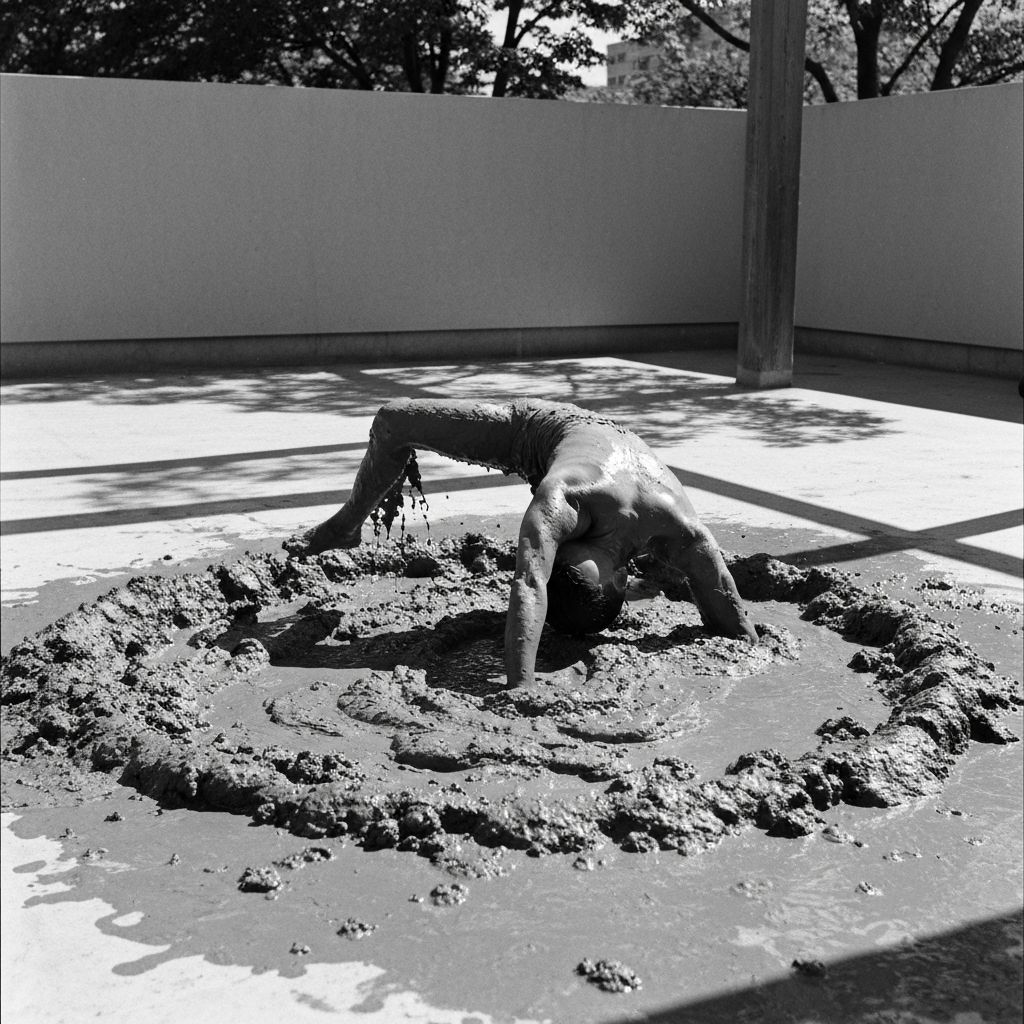
Challenge to the Mud
Kazuo Shiraga, 1955
Performance documentation, silver gelatin print
16 x 20 in (40 x 50 cm)
Curator's Note: In this seminal performance, Shiraga flung himself semi-naked into a massive pile of wet mud, wrestling with the material in a primal act of creation. This work embodies Gutai's philosophy: art as a direct encounter between human consciousness and raw matter.

Holes
Saburo Murakami, 1955
Torn kraft paper mounted on canvas
72 x 96 in (182 x 244 cm)
Curator's Note: Murakami created this work by running and leaping through stretched sheets of kraft paper during Gutai performances. The torn, irregular holes record the violent moment of the body's passage through material—a gesture that destroys and creates simultaneously.
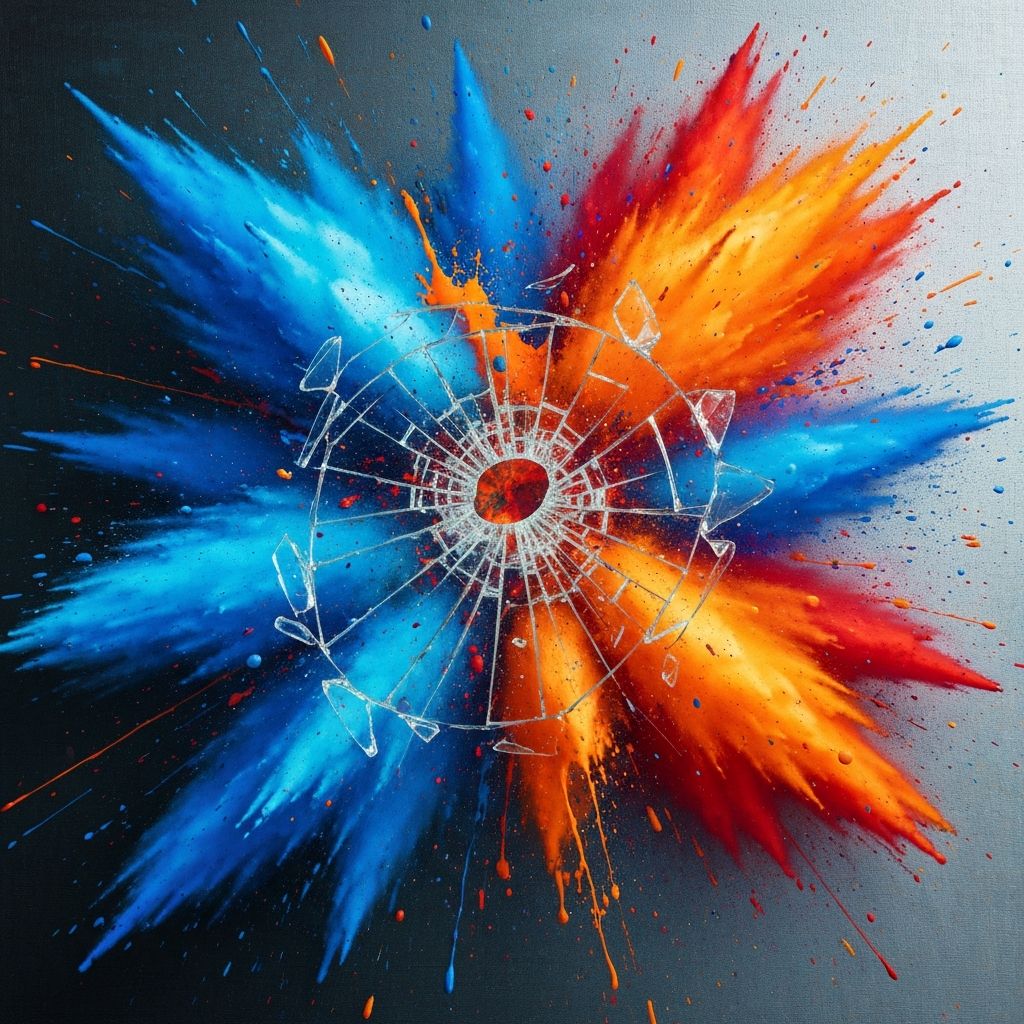
Work (Throwing Colors)
Shozo Shimamoto, 1961
Enamel paint and glass fragments on canvas
64 x 89 in (162 x 226 cm)
Curator's Note: Shimamoto pioneered the 'bottle crash' technique, hurling glass bottles filled with paint at canvases. The resulting works capture explosive energy, incorporating glass shards and paint splatters in compositions that blur painting, sculpture, and performance.
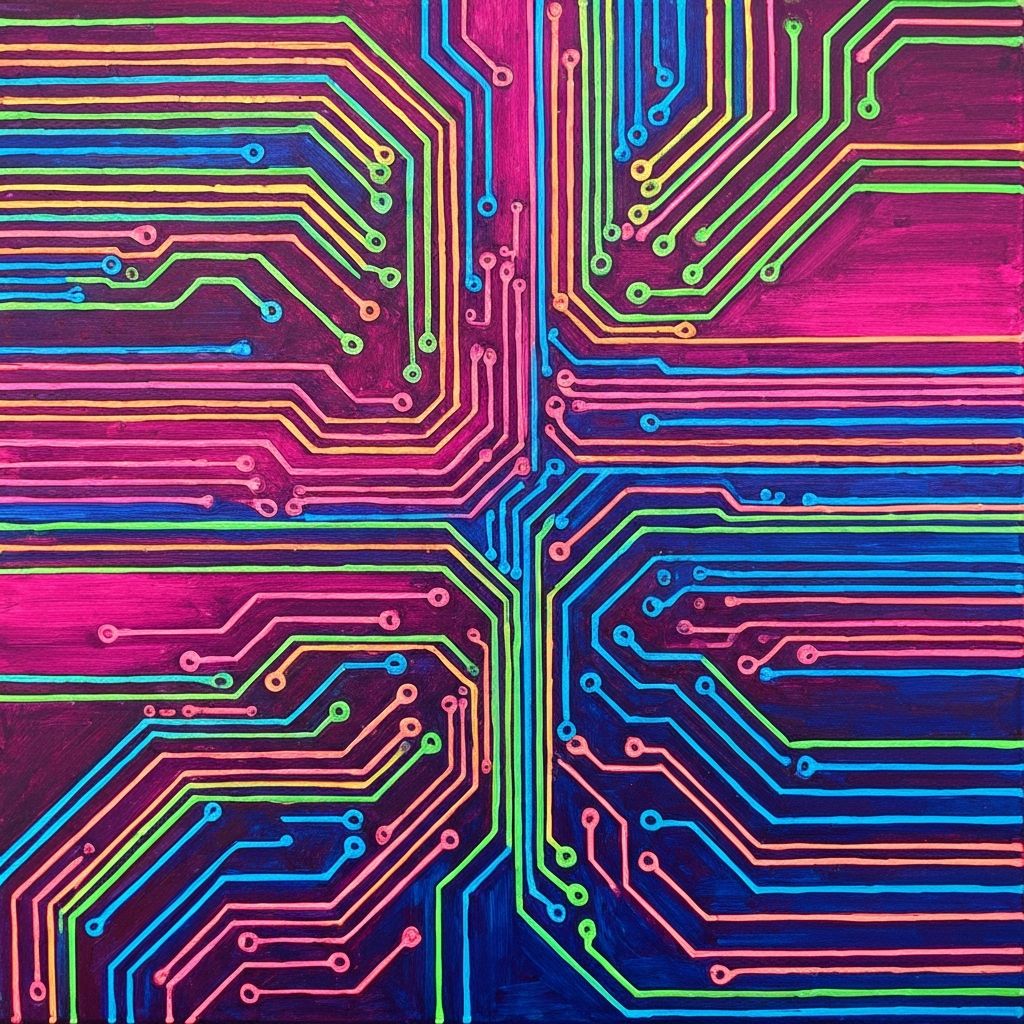
Work
Atsuko Tanaka, 1962
Synthetic polymer paint on canvas
71 x 51 in (180 x 130 cm)
Curator's Note: Tanaka's vibrant canvases evolved from her famous 'Electric Dress' performance (1956), where she wore a garment made of colored light bulbs and electrical cables. Her paintings translate electrical energy into optical dynamism, celebrating technology's material presence.

Work (White)
Sadamasa Motonaga, 1960
Polyethylene bags filled with colored water, suspended
Variable dimensions, approx. 120 x 240 in
Curator's Note: Motonaga suspended transparent bags filled with colored water between trees and later in gallery spaces. As light passed through, the liquid materials created shifting, ethereal color fields that responded to environmental conditions—a radical departure from static painting.
Material Experiments
The artists in this section push the boundaries of what can be considered artistic media. From biological materials to digital fabrication, from found objects to engineered substances, these works question the very nature of artistic creation. They respond to our era of environmental crisis and technological acceleration by finding new ways to make meaning from matter. Collectors should note that these works often require specialized conservation and represent the cutting edge of contemporary practice.
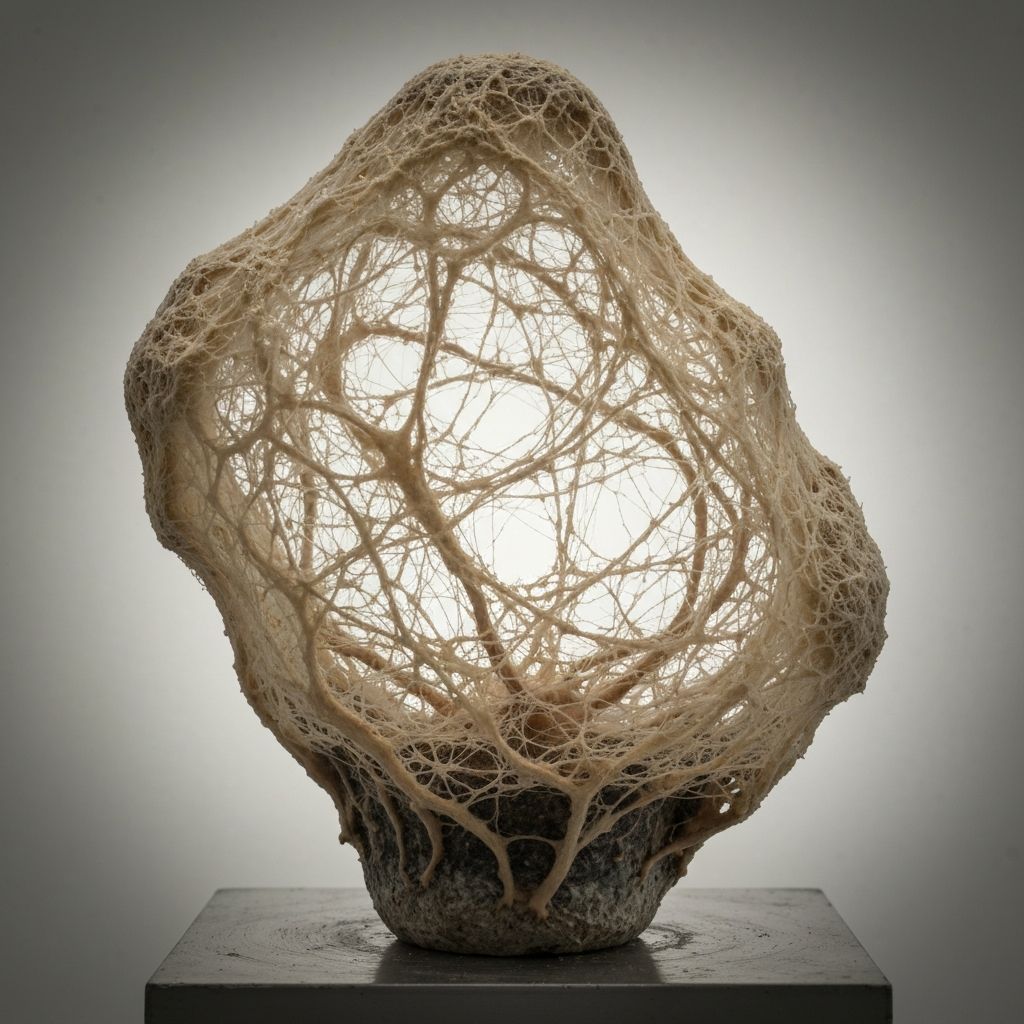
Mycelium Architecture
Suzanne Anker, 2021
Living mycelium and resin
36 x 36 x 12 in
Curator's Note: Anker's bio-art practice merges laboratory science with aesthetic inquiry, questioning the boundaries between natural and artificial.
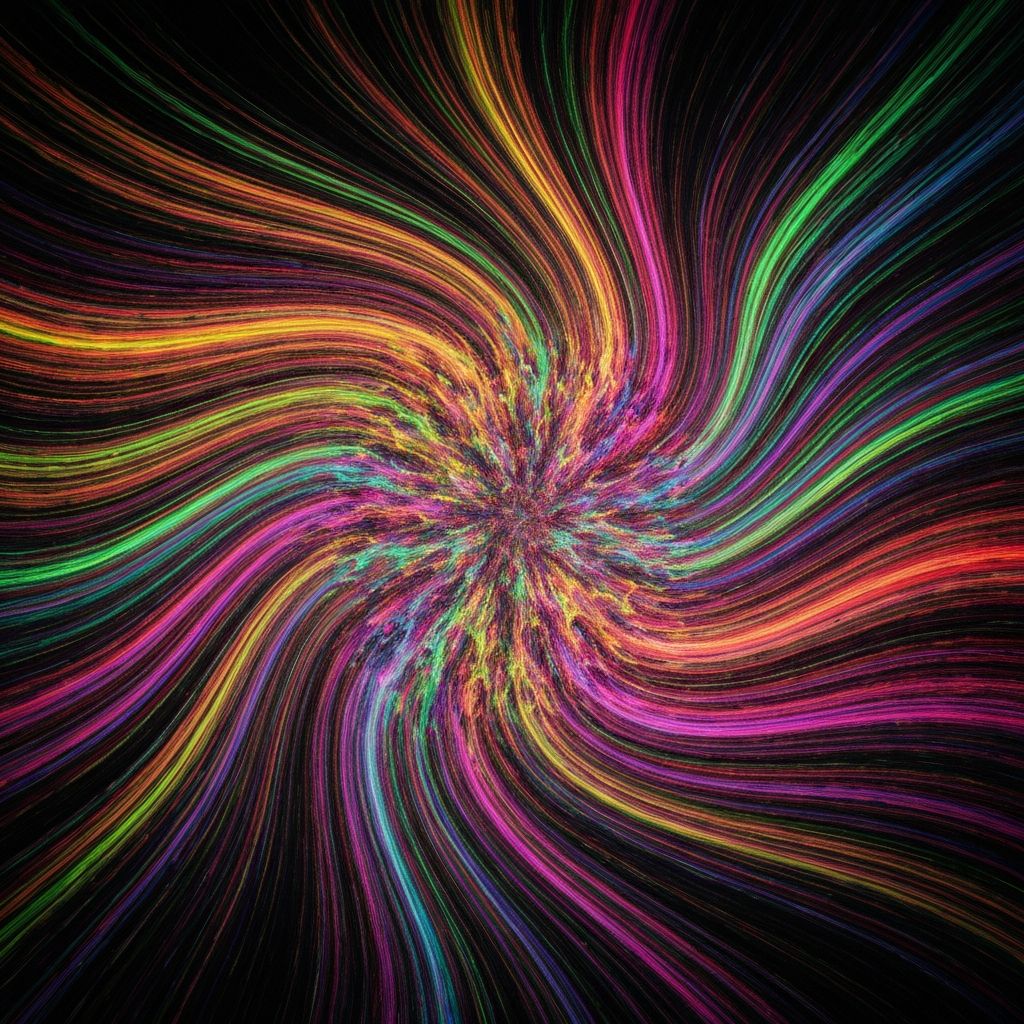
Data Materialized
Refik Anadol, 2022
AI-generated video installation
Variable, edition of 5
Curator's Note: Anadol's machine learning algorithms transform vast datasets into mesmerizing visual experiences that feel simultaneously alien and organic.
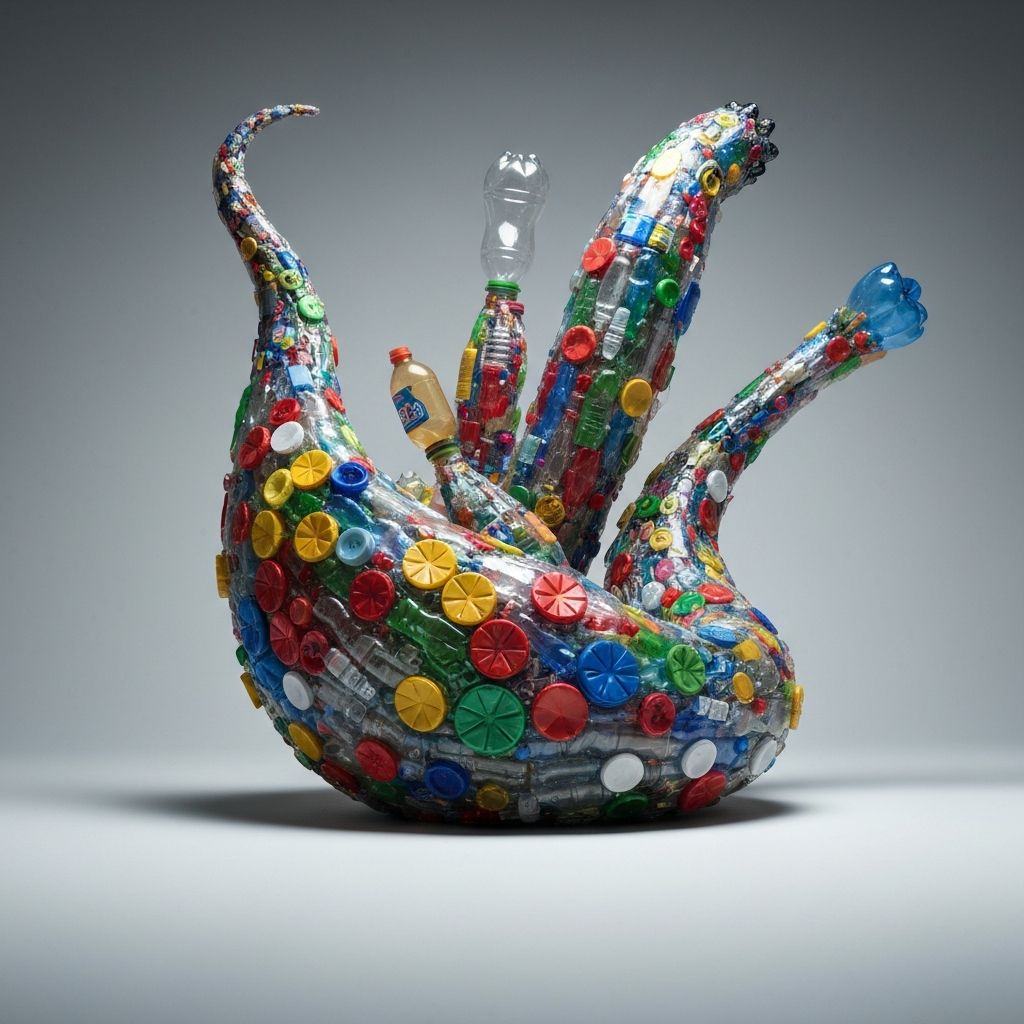
Ocean Plastic Study
Aurora Robson, 2020
Reclaimed ocean plastic
72 x 48 x 24 in
Curator's Note: Robson's transformation of ocean debris into delicate sculptures serves as both aesthetic achievement and environmental statement.
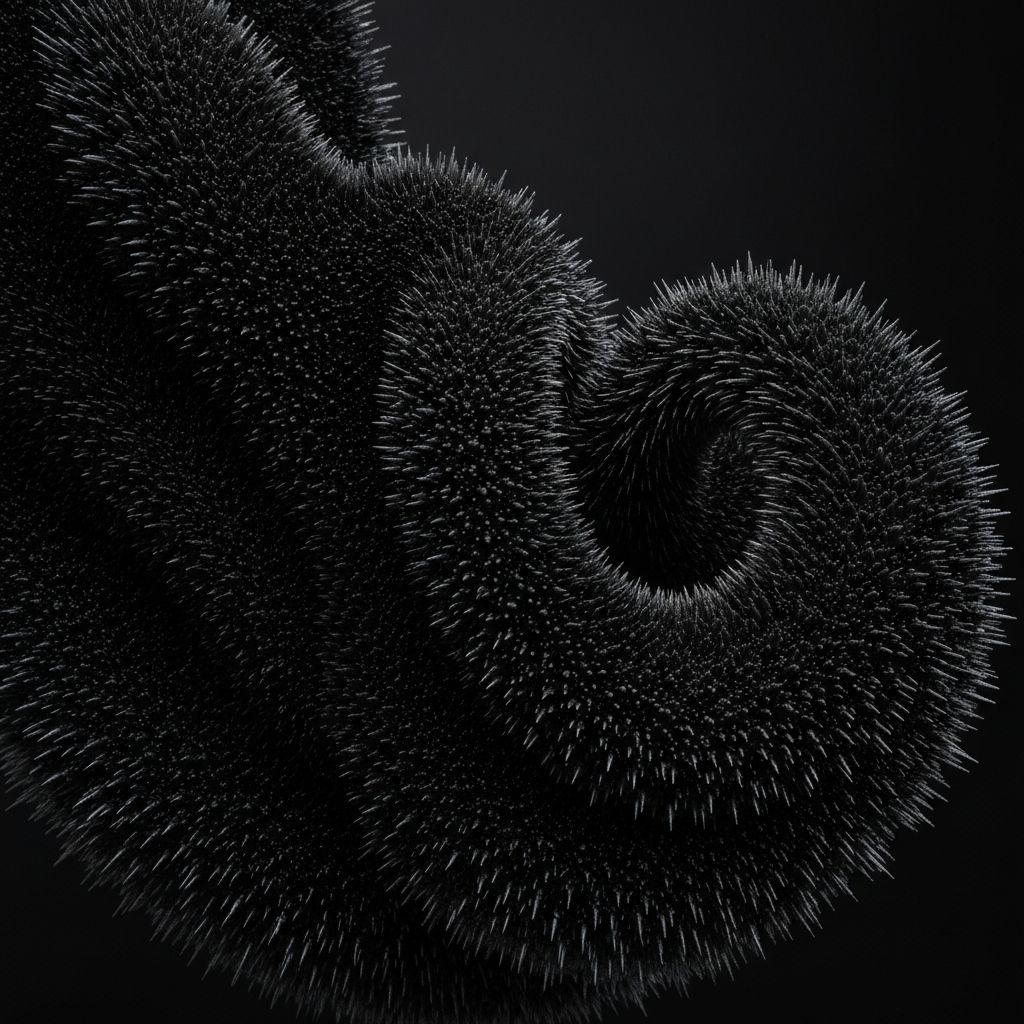
Ferrofluid Dreams
Sachiko Kodama, 2019
Ferrofluid, electromagnets, and electronics
24 x 24 x 24 in
Curator's Note: Kodama's kinetic sculptures use magnetic fluids to create ever-changing forms that seem to possess their own alien intelligence.
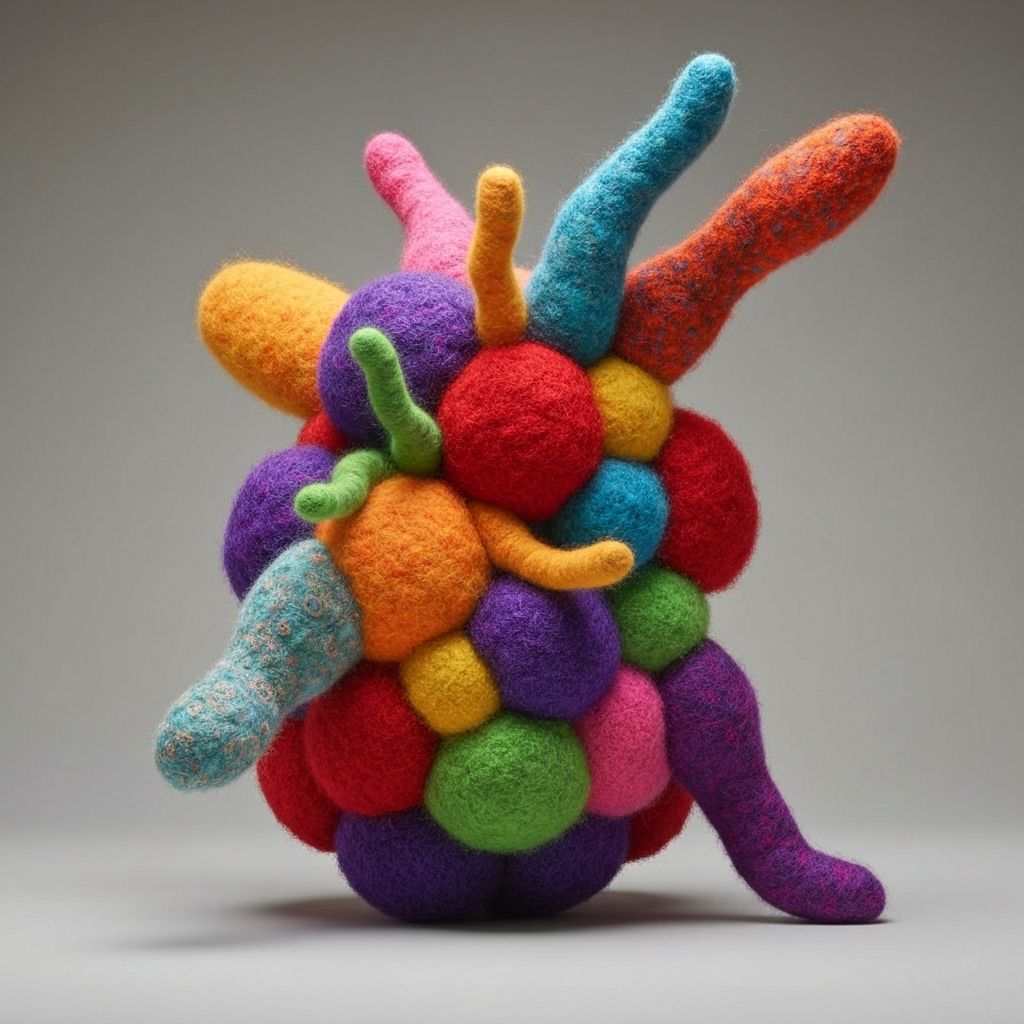
Compressed Textiles
Sheila Hicks, 2018
Linen, wool, and silk
60 x 48 x 18 in
Curator's Note: Hicks's monumental fiber works blur the line between craft and high art, celebrating the sensual pleasure of texture and color.
Curator's Essay
Why Material Matters: Understanding This Collection's Place in Art History
The works gathered in this collection represent a fundamental shift in how we understand artistic practice. For centuries, Western art privileged certain materials—oil paint, bronze, marble—as the proper vehicles for serious artistic expression. This hierarchy wasn't merely aesthetic; it was deeply intertwined with systems of power, colonialism, and cultural domination.
Beginning in the 1960s, artists began systematically dismantling these hierarchies. The Post-Minimalists we feature here—Eva Hesse, Robert Morris, Richard Serra—rejected the pristine geometric forms of their predecessors in favor of materials that sagged, rusted, and decayed. They embraced process over product, acknowledging that creation is always ongoing.
This material revolution opened doors for artists from marginalized communities to assert their own aesthetic traditions. The works by Simone Leigh, El Anatsui, and Ana Mendieta draw on African, Caribbean, and Indigenous material practices that had long been dismissed as "craft" rather than "art." Their inclusion in major collections and museums represents a long-overdue correction in art history.
The most recent works in this collection extend these concerns into our current moment of environmental crisis and technological transformation. Artists like Aurora Robson transform ocean plastic into delicate beauty, while Refik Anadol demonstrates that data itself can become a material for artistic expression.
For collectors, these works represent more than aesthetic pleasure—they are investments in art history's ongoing evolution. The artists featured here are already canonical figures or rapidly ascending. More importantly, their works embody ideas that will only become more relevant as we grapple with questions of sustainability, cultural equity, and the nature of creativity in an age of artificial intelligence.
We encourage collectors to approach these works not merely as objects to be acquired, but as invitations to deeper engagement with the ideas that shape our world.
Interested in this collection?
Get personalized recommendations and be the first to know about new additions.
Share this collection with fellow art enthusiasts